
PERSONAL TRAINING BLOG
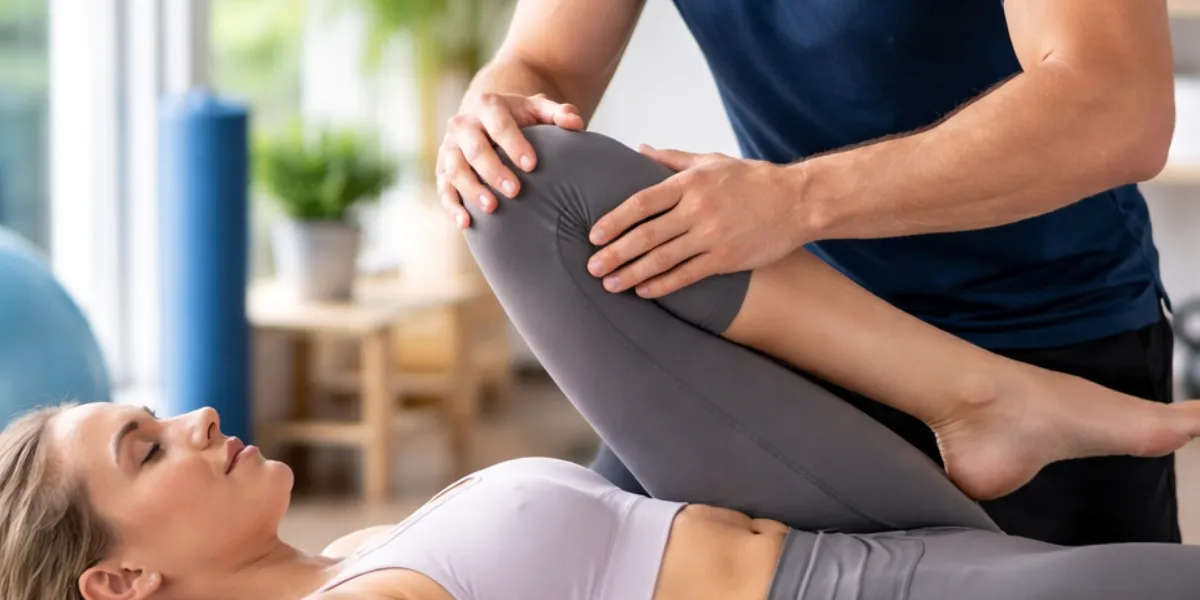
SMART Stretch Therapy: Improve Mobility & Prevent Injuries
Maintaining flexibility and mobility is crucial for overall health, athletic performance, and injury prevention. Traditional stretching often falls short in addressing specific muscle imbalances and movement restrictions. That’s where SMART Stretch Therapy comes in. Designed to target deep muscle groups and improve functional movement, SMART Stretch Therapy is a proven method to enhance mobility, reduce tension, and prevent injuries for athletes and non-athletes alike.
In this article, we’ll explore the benefits of SMART Stretch Therapy, how it works, the types of stretches involved, and practical tips for integrating it into your routine.
What is SMART Stretch Therapy?
SMART Stretch Therapy (Specific Muscle Activation and Release Technique) is a structured, client-focused stretching protocol that targets tight muscles, fascia, and joint limitations. Unlike generic stretching routines, SMART Stretch Therapy is personalized based on individual flexibility, posture, and movement patterns.
Key features:
Focus on deep muscle groups
Combines static and dynamic stretches
Emphasizes joint range of motion
Reduces risk of injury by improving functional movement
How SMART Stretch Therapy Improves Mobility
Mobility is the ability to move a joint through its full range of motion. Limited mobility can lead to poor posture, decreased performance, and higher injury risk. SMART Stretch Therapy improves mobility through:
1. Targeted Muscle Activation
By identifying tight or underactive muscles, therapists guide stretches that activate and lengthen specific areas, improving overall joint function.
2. Dynamic Movement Integration
Dynamic stretches mimic real-life motions, preparing muscles for functional movement and improving neuromuscular coordination.
3. Fascia Release
Fascia, the connective tissue surrounding muscles, can become tight from inactivity or repetitive motion. SMART Stretch Therapy incorporates myofascial release techniques, helping restore flexibility.
4. Personalized Programming
Each session is tailored to your unique needs, ensuring stretches address limitations rather than applying a one-size-fits-all approach.
The Role of SMART Stretch Therapy in Injury Prevention
Injuries often occur when muscles are tight, imbalanced, or unprepared for movement. SMART Stretch Therapy reduces injury risk by:
Improving joint stability: Balanced flexibility prevents overextension or unnatural joint motion.
Correcting muscle imbalances: Many injuries stem from weak or tight muscles; SMART Stretch Therapy strengthens underactive areas while stretching tight ones.
Enhancing posture and alignment: Proper alignment reduces strain on joints and connective tissue.
Preparing muscles for activity: Pre-activity stretching reduces the chance of strains and sprains.
Key Benefits of SMART Stretch Therapy
Who Can Benefit from SMART Stretch Therapy?
SMART Stretch Therapy is suitable for:
Athletes seeking peak performance and injury prevention
Fitness enthusiasts looking to improve flexibility and recovery
Office workers experiencing stiffness from prolonged sitting
Seniors aiming to maintain mobility and reduce falls
Anyone recovering from minor injuries needing gentle, guided stretching
Common Techniques Used in SMART Stretch Therapy
SMART Stretch Therapy integrates several approaches to maximize results:
1. Static Stretching
Holds muscles in an elongated position to improve flexibility over time.
2. Dynamic Stretching
Controlled, moving stretches that mimic real-life motions and activate muscles.
3. Myofascial Release
Targets fascia and connective tissue to reduce stiffness and improve elasticity.
4. PNF (Proprioceptive Neuromuscular Facilitation)
Uses contraction and relaxation cycles to enhance muscle length and mobility.
5. Functional Movement Drills
Incorporates stretches into movements like squats or lunges to improve joint range during active motion.
Integrating SMART Stretch Therapy into Your Routine
To get the most out of SMART Stretch Therapy:
Schedule regular sessions: 1–2 times per week is ideal for most adults.
Combine with strength training: Balanced muscle length and strength prevent injuries.
Practice guided home stretches: Reinforce therapy with simple at-home routines.
Listen to your body: SMART Stretch Therapy should challenge, not cause pain.
Track improvements: Note changes in flexibility, posture, and range of motion.
Tips for Maximizing Mobility and Preventing Injuries
Warm up before intense activity
Maintain proper hydration
Include strength training to complement flexibility
Sleep adequately to allow muscles to recover
Monitor posture during daily activities
Frequently Asked Questions (FAQs)
Q1: How long does a SMART Stretch Therapy session take?
A: Sessions typically last 30–60 minutes, depending on individual needs and goals.
Q2: Is SMART Stretch Therapy safe for beginners?
A: Yes. Each session is tailored to your flexibility and mobility level, making it safe for all fitness levels.
Q3: How soon will I see results?
A: Many clients notice increased flexibility and reduced tension after 1–2 sessions, with continued improvement over several weeks.
Q4: Can SMART Stretch Therapy help with chronic pain?
A: It can help alleviate tension-related pain, improve posture, and reduce discomfort from muscle imbalances.
Q5: Do I need special equipment?
A: No. Most stretches use body weight, though props like resistance bands or foam rollers may enhance results.
Conclusion
SMART Stretch Therapy is more than just stretching, it’s a personalized, science-backed approach to improving mobility, preventing injuries, and enhancing overall wellness. Whether you’re an athlete, office worker, or senior, incorporating SMART Stretch Therapy into your routine can lead to greater flexibility, better posture, and fewer injuries.
Investing time in your mobility today will pay off in improved performance, reduced pain, and a healthier, more active lifestyle.

ARE YOU READY TO INVEST IN YOUR HEALTH AND HAVE A BLAST AT ULTIMATE WELLNESS?!?!
IF SO, CLICK THE LINK BELOW TO LEARN MORE
15 B SOUTH EAGLE ROAD, HAVERTOWN, PENNSYLVANIA 19083
15 B SOUTH EAGLE ROAD,
HAVERTOWN, PENNSYLVANIA 19083


© 2026 Ultimate Wellness
|
|
© 2026 Ultimate Wellness