
PERSONAL TRAINING BLOG

How Adults Over 40 Can Rebuild Strength After Injury Safely | Ultimate Wellness
Injuries become more common as we age. A strained back, shoulder pain, knee problems, or lingering joint issues can make even simple movements feel difficult. For adults over 40, the challenge isn’t just recovering, it’s rebuilding strength safely without making the injury worse.
The good news is that your body is still capable of becoming stronger, more mobile, and more resilient. With the right strategy, you can rebuild strength after injury, regain confidence in your movement, and return to the activities you enjoy.
However, recovery requires a smarter approach than the workouts you may have done in your 20s or 30s. Instead of pushing through pain or jumping back into intense training, rebuilding strength should combine rehabilitation, corrective movement, and intelligent strength training.
In this guide, we’ll explore how adults over 40 can rebuild strength safely and effectively after injury.
Ready to Rebuild Strength Safely?
Why Strength Loss Happens After Injury
When you experience an injury, the body naturally protects the affected area. You move less, muscles become underused, and nearby joints compensate for the weakness.
This often leads to:
Muscle atrophy (loss of muscle mass)
Reduced joint stability
Poor movement patterns
Loss of mobility
Increased risk of reinjury
Many adults try to return to exercise too quickly, which can aggravate the injury. Others avoid movement completely, which leads to even greater weakness.
Rebuild Strength Safely After Injury
The goal is not just healing, it’s rebuilding strength in a way that restores proper movement and prevents future injuries.
Step 1: Start with Pain-Free Movement
The first step to rebuild strength after injury is restoring safe movement.
Your body needs to relearn how to move correctly before it can handle heavy resistance or intense workouts. That means starting with exercises that improve:
Joint mobility
Stability
Neuromuscular control
Core activation
For example, someone recovering from a back injury might begin with:
Core stabilization exercises
Controlled hip mobility movements
Gentle bodyweight exercises
These foundational movements help restore communication between the brain and muscles, which is critical for rebuilding strength safely.
Step 2: Address the Root Cause of the Injury
Many injuries don’t happen randomly. They often develop because of underlying issues such as:
Muscle imbalances
Poor posture
Weak stabilizing muscles
Limited mobility
Incorrect exercise technique
If these issues aren’t corrected, the injury will likely return.
For example:
A shoulder injury may actually stem from poor thoracic mobility and weak upper back muscles.
A knee injury might be related to weak hips or limited ankle mobility.
Corrective exercises help fix these movement problems so you can rebuild strength without repeating the same injury cycle.
Step 3: Focus on Stability Before Strength
One of the biggest mistakes people make when returning to exercise is trying to lift heavy weights too soon.
After injury, the body first needs stability and control.
This includes strengthening the small stabilizing muscles that protect joints and guide movement. Examples include:
Rotator cuff muscles in the shoulder
Core stabilizers in the spine
Hip stabilizers around the pelvis
Knee-supporting muscles in the legs
Exercises such as:
Slow resistance training
Balance exercises
Controlled tempo movements
Stability work
help rebuild the foundation your body needs before increasing load.
Once stability improves, rebuilding strength becomes much safer and more effective.
Step 4: Use Progressive Strength Training
To truly rebuild strength, muscles must gradually be challenged. However, progression should be slow and strategic.
Progressive strength training means gradually increasing:
Resistance
Exercise complexity
Volume
Training intensity
For adults over 40 recovering from injury, this may look like:
Week 1–2
Light resistance with controlled movements
Week 3–4
Moderate resistance with additional repetitions
Week 5–6
Functional strength exercises that mimic real-life movement
This gradual progression allows muscles, joints, and connective tissues to adapt safely.
Train Smarter, Not Harder!
Step 5: Train Movement Patterns, Not Just Muscles
Traditional workouts often isolate muscles with exercises like bicep curls or leg extensions. While these can be helpful, rebuilding strength after injury requires focusing on movement patterns.
Functional movement patterns include:
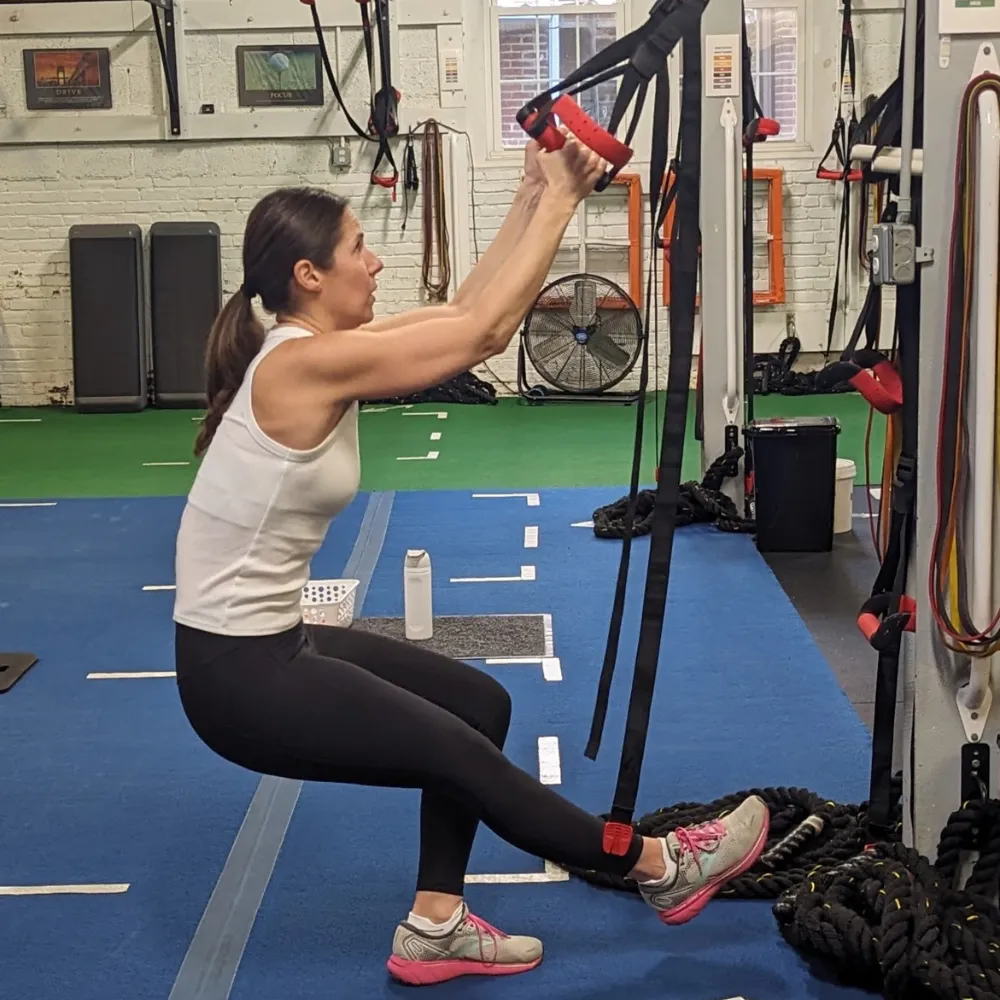
Squatting
Hinghing
Pushing
Pulling
Rotating
Carrying
Training these patterns helps your body move efficiently in daily life.
For example:
Instead of only doing leg extensions, you might perform supported squats or step-ups that train the entire lower body together.
This approach improves coordination, strength, and joint health while reducing injury risk.
Step 6: Prioritize Mobility and Recovery
Mobility plays a critical role in rebuilding strength.
When joints lack mobility, other areas of the body compensate, which can lead to reinjury.
Key areas adults over 40 should focus on include:
Hip mobility
Thoracic spine mobility
Shoulder mobility
Ankle flexibility
Regular mobility work helps maintain proper movement patterns and allows strength exercises to be performed safely.
Recovery is equally important. Muscles rebuild and adapt during rest, not during the workout itself.
Prioritize:
Sleep
Hydration
Stretching
Rest days
These factors support long-term strength rebuilding.
Step 7: Build Strength for Real Life
The ultimate goal isn’t just lifting weights, it’s moving better in everyday life.
For adults over 40, rebuilding strength should support activities like:
Walking without pain
Playing with kids or grandchildren
Hiking or recreational sports
Carrying groceries
Maintaining independence
Functional training prepares the body for real-world movement, making daily activities easier and safer.
Step 8: Work with Professionals Who Understand Injury Recovery
One of the most effective ways to rebuild strength after injury is working with professionals who combine physical therapy principles with fitness training.
This integrated approach ensures that:
Exercises are safe for your injury
Movement patterns are corrected
Strength progression is structured
Recovery is monitored
Instead of guessing which workouts are safe, you receive a plan tailored to your body, injury history, and goals.
Common Mistakes Adults Over 40 Make After Injury
Avoiding these common mistakes can significantly improve your recovery.
Ignoring Pain Signals
Pain is information. Pushing through pain often delays healing.
Returning to Intense Workouts Too Quickly
Jumping back into high-impact workouts can cause reinjury.
Skipping Warmups
Warmups prepare joints and muscles for movement.
Neglecting Mobility
Limited mobility increases strain on other joints.
Training Without Guidance
Improper exercise selection can worsen injuries.
By avoiding these mistakes, you can rebuild strength safely and confidently.
The Long-Term Benefits of Rebuilding Strength
When done correctly, rebuilding strength after injury can lead to improvements beyond recovery.
Adults over 40 often experience:
Better mobility
Reduced chronic pain
Improved posture
Increased muscle mass
Greater joint stability
Higher energy levels
Better overall fitness
Many people actually move better after rehabilitation-focused training than they did before their injury.
A Smarter Approach to Strength After 40
Your body may change with age, but it doesn’t stop adapting.
With the right approach, you can rebuild strength, improve mobility, and regain confidence in your body.
The key is focusing on:
Correct movement patterns
Progressive strength training
Injury-aware exercise
Mobility and recovery
Professional guidance
This combination allows adults over 40 to train safely while building a stronger, healthier body.
Our programs focus on mobility, rehabilitation, and strength so you can stay active long-term. Whether you’re dealing with an old injury or recent pain, our team helps you rebuild strength safely and confidently.
Contact Ultimate Wellness today to schedule your first session.
FAQs
1. How long does it take to rebuild strength after injury?
The timeline varies depending on the severity of the injury and your overall health. Many adults begin seeing improvements within 4–8 weeks when following a structured strength rebuilding program.
2. Is it safe to lift weights after an injury?
Yes, but it should be done gradually and with proper technique. Controlled resistance training can actually help rebuild strength and protect injured areas when performed correctly.
3. What exercises help rebuild strength after injury?
Exercises that focus on stability, mobility, and controlled resistance are most effective. Functional movements like squats, rows, and core stabilization exercises are commonly used in recovery programs.
4. Should I avoid exercise completely while recovering from injury?
Not usually. Complete rest can lead to muscle loss and stiffness. Safe, guided movement is often an important part of recovery and helps rebuild strength.
5. Why is strength training important after age 40?
Strength training helps maintain muscle mass, support joint health, improve balance, and reduce the risk of future injuries as the body ages.

ARE YOU READY TO INVEST IN YOUR HEALTH AND HAVE A BLAST AT ULTIMATE WELLNESS?!?!
IF SO, CLICK THE LINK BELOW TO LEARN MORE
15 B SOUTH EAGLE ROAD, HAVERTOWN, PENNSYLVANIA 19083
15 B SOUTH EAGLE ROAD,
HAVERTOWN, PENNSYLVANIA 19083


© 2026 Ultimate Wellness
|
|
© 2026 Ultimate Wellness