
PERSONAL TRAINING BLOG
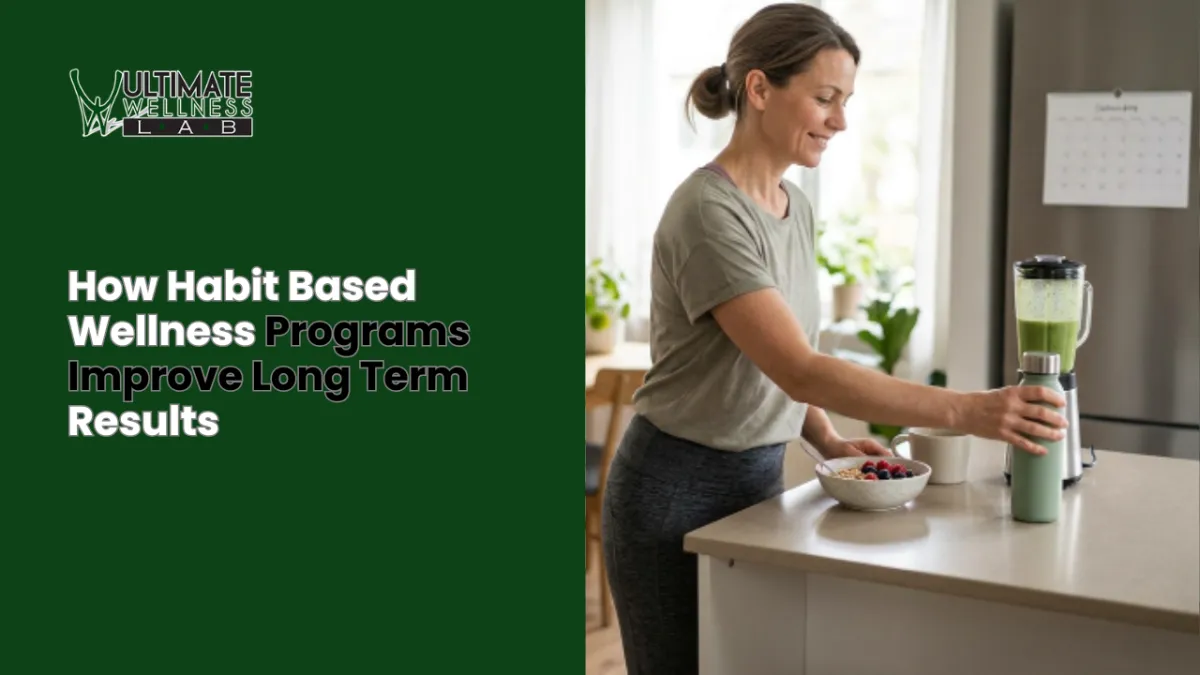
How Habit-Based Wellness Programs Improve Long-Term Results | Ultimate Wellness Lifestyle
Creating lasting health and fitness results is about more than quick diets or intense workout challenges. Many people start wellness journeys motivated and excited, only to lose momentum after a few weeks. The reason is simple: temporary solutions rarely create permanent change.
That’s where habit-based wellness programs make a difference.
Instead of focusing only on short-term outcomes, habit-based approaches help individuals build realistic daily routines that support better health over time. These programs emphasize consistency, mindset, accountability, and sustainable behaviors that naturally fit into everyday life.
At Ultimate Wellness Lifestyle, the goal is to help individuals create long-term fitness success through sustainable lifestyle change rather than extreme or restrictive methods.
What Is Habit-Based Wellness?
Habit-based wellness is an approach to health and fitness that focuses on developing small, repeatable actions that become part of your daily routine. Rather than relying on motivation alone, it helps create systems and behaviors that support long-term success.
Examples of habit-based wellness practices include:
Drinking more water daily
Walking consistently
Preparing balanced meals
Prioritizing sleep
Managing stress effectively
Building regular workout routines
Practicing mindful eating
Tracking progress gradually
These small actions may seem simple, but over time they create powerful transformations.
Unlike crash diets or aggressive workout programs, habit-based wellness supports sustainable lifestyle change by making healthy behaviors realistic and maintainable.
Why Quick Fixes Often Fail
Many traditional fitness programs promise rapid results. While some people may initially lose weight or gain momentum, these methods are often difficult to sustain.
Common problems with short-term programs include:
Extreme calorie restriction
Overly demanding workouts
Unrealistic expectations
Lack of flexibility
Burnout and frustration
All-or-nothing thinking
When people rely only on motivation, setbacks can feel like failure. Missing one workout or eating one unhealthy meal may lead them to abandon the entire program.
Habit-based wellness shifts the focus from perfection to consistency.
Instead of asking:
“How fast can I change?”
It asks:
“What healthy habits can I realistically maintain for years?”
That mindset creates long-term fitness success.
The Science Behind Habit Formation
Habits are automatic behaviors created through repetition. According to behavioral psychology, repeated actions strengthen neural pathways in the brain, making behaviors easier over time.
When healthy actions become habits, they require less mental effort.
For example:
A person who develops the habit of morning walks no longer debates whether to exercise.
Someone who meal preps weekly naturally makes healthier food choices.
Individuals with consistent bedtime routines often experience better recovery and energy levels.
This is why sustainable lifestyle change depends heavily on habit development rather than temporary motivation.
Benefits of Habit-Based Wellness Programs
1. Improved Long-Term Fitness Results
The biggest advantage of habit-based wellness is sustainability.
People who adopt consistent healthy habits are more likely to:
Maintain weight loss
Stay physically active
Improve cardiovascular health
Build strength gradually
Reduce health risks
Increase energy levels
Long-term fitness is not about perfection. It’s about staying consistent over time.
Small daily improvements eventually create major transformations.
2. Reduced Burnout and Frustration
Extreme wellness programs often lead to exhaustion. Habit-based wellness programs focus on progress that feels achievable.
This creates:
Better motivation
Less stress
Improved confidence
Higher adherence
More enjoyment
When people enjoy the process, they are far more likely to continue.
3. Better Mental and Emotional Health
Healthy habits support emotional wellness as much as physical wellness.
Consistent exercise, quality sleep, hydration, and stress management can help:
Reduce anxiety
Improve mood
Enhance focus
Increase resilience
Support emotional balance
A habit-based approach recognizes that wellness is holistic.
How Habit-Based Wellness Creates Sustainable Lifestyle Change
Start Small
One of the biggest mistakes people make is trying to change everything at once.
Sustainable lifestyle change works best when habits are introduced gradually.
Examples include:
Adding one extra serving of vegetables daily
Walking 15 minutes after dinner
Drinking more water during work hours
Stretching for 5 minutes each morning
Small wins build momentum.
Focus on Consistency Over Intensity
Many people believe they need intense workouts or strict diets to succeed. In reality, consistent moderate effort often produces better long-term results.
For example:
Walking consistently is more sustainable than sporadic extreme workouts.
Balanced eating habits outperform restrictive dieting over time.
Regular sleep routines improve recovery and energy naturally.
Consistency creates stability.
Build Habits Around Existing Routines
Habit stacking is a powerful strategy used in many habit-based wellness programs.
This involves attaching new habits to existing behaviors.
Examples:
Stretch after brushing your teeth
Drink water before morning coffee
Take a walk after lunch
Practice deep breathing before bed
This makes habits easier to maintain because they become connected to routines already established.
Create Accountability
Support systems increase long-term success significantly.
Accountability can include:
Wellness coaching
Fitness communities
Progress tracking
Partner workouts
Scheduled check-ins
Programs like those offered through Ultimate Wellness Lifestyle help individuals stay focused and motivated through personalized wellness guidance and support.
The Role of Mindset in Long-Term Fitness
Mindset plays a critical role in habit-based wellness.
People who achieve lasting success often:
View setbacks as learning opportunities
Focus on progress rather than perfection
Celebrate small victories
Develop patience
Build confidence gradually
Long-term fitness is not linear. There will be challenges, busy seasons, and obstacles.
What matters most is returning to healthy habits consistently.
Common Habits That Lead to Lasting Wellness
Prioritizing Daily Movement
Exercise does not always need to happen in a gym.
Habit-based wellness encourages:
Walking
Stretching
Mobility work
Recreational activities
Strength training
Active lifestyles
The goal is regular movement that fits your life.
Improving Nutrition Gradually
Sustainable nutrition habits may include:
Eating more whole foods
Increasing protein intake
Reducing processed foods
Practicing portion awareness
Meal planning consistently
Extreme restriction is rarely sustainable.
Prioritizing Recovery
Recovery habits are often overlooked but essential for long-term fitness.
Healthy recovery habits include:
Getting quality sleep
Managing stress
Taking rest days
Staying hydrated
Practicing mindfulness
Wellness requires balance.
Why Personalized Wellness Programs Work Better
Every individual has different:
Schedules
Fitness levels
Goals
Challenges
Motivations
That’s why personalized habit-based wellness programs are often more effective than generic plans.
Customized programs can:
Adapt to lifestyle demands
Support realistic goals
Improve consistency
Increase confidence
Create sustainable routines
At Ultimate Wellness Lifestyle, wellness strategies focus on creating practical routines that align with real-life responsibilities and long-term health goals.
How to Begin a Habit-Based Wellness Journey
Starting does not require a complete lifestyle overhaul.
Here are simple steps to begin:
Step 1: Identify One Priority Habit
Choose one habit that would positively impact your health.
Examples:
Daily walks
Better hydration
Meal preparation
Consistent sleep
Step 2: Make It Realistic
Avoid setting goals that feel overwhelming.
Instead of:
“I’ll work out 2 hours every day.”
Try:
“I’ll walk for 20 minutes 4 times per week.”
Step 3: Track Progress
Tracking habits increases awareness and accountability.
Use:
Journals
Apps
Calendars
Progress photos
Step 4: Be Patient
Sustainable lifestyle change takes time.
Focus on consistency rather than immediate perfection.
The Long-Term Impact of Healthy Habits
Over months and years, habit-based wellness can lead to:
Better energy
Improved physical fitness
Stronger mental health
Weight management
Increased confidence
Lower stress levels
Improved overall quality of life
The most successful wellness journeys are rarely built on extremes. They are built on small healthy choices repeated consistently.
Final Thoughts
If you want lasting results, focusing on habit-based wellness is one of the smartest approaches you can take.
Rather than chasing temporary fixes, sustainable wellness programs help create routines that naturally support healthier living for years to come.
Long-term fitness success happens when healthy actions become part of everyday life—not just short-term challenges.
At Ultimate Wellness Lifestyle, the focus is on helping individuals build realistic habits that support lifelong wellness, confidence, and sustainable lifestyle change.
Ready to Build Lasting Wellness Habits?
Stop starting over with temporary fitness programs. Create a sustainable plan that fits your lifestyle and supports real long-term results.
Start your wellness journey today with Ultimate Wellness Lifestyle and discover how habit-based wellness can transform your health for life.
FAQs
What is habit-based wellness?
Habit-based wellness is a long-term approach to health that focuses on building small, sustainable daily habits that improve physical, mental, and emotional well-being over time.
Why are habits important for long-term fitness?
Healthy habits create consistency, which is essential for maintaining long-term fitness results. Sustainable routines are easier to maintain than extreme short-term programs.
How long does it take to build healthy habits?
The time varies for each person, but consistency is key. Many habits become more automatic after several weeks of regular repetition.
Are habit-based wellness programs effective for weight loss?
Yes. Habit-based wellness programs often support sustainable weight management because they focus on long-term behavioral changes rather than temporary dieting.
What are examples of sustainable lifestyle changes?
Examples include regular exercise, healthy meal planning, proper hydration, stress management, quality sleep, and mindful eating habits.
Can beginners benefit from habit-based wellness programs?
Absolutely. Habit-based wellness is ideal for beginners because it encourages gradual progress and realistic lifestyle improvements rather than overwhelming changes.

ARE YOU READY TO INVEST IN YOUR HEALTH AND HAVE A BLAST AT ULTIMATE WELLNESS?!?!
IF SO, CLICK THE LINK BELOW TO LEARN MORE
15 B SOUTH EAGLE ROAD, HAVERTOWN, PENNSYLVANIA 19083
15 B SOUTH EAGLE ROAD,
HAVERTOWN, PENNSYLVANIA 19083


© 2026 Ultimate Wellness
|
|
© 2026 Ultimate Wellness